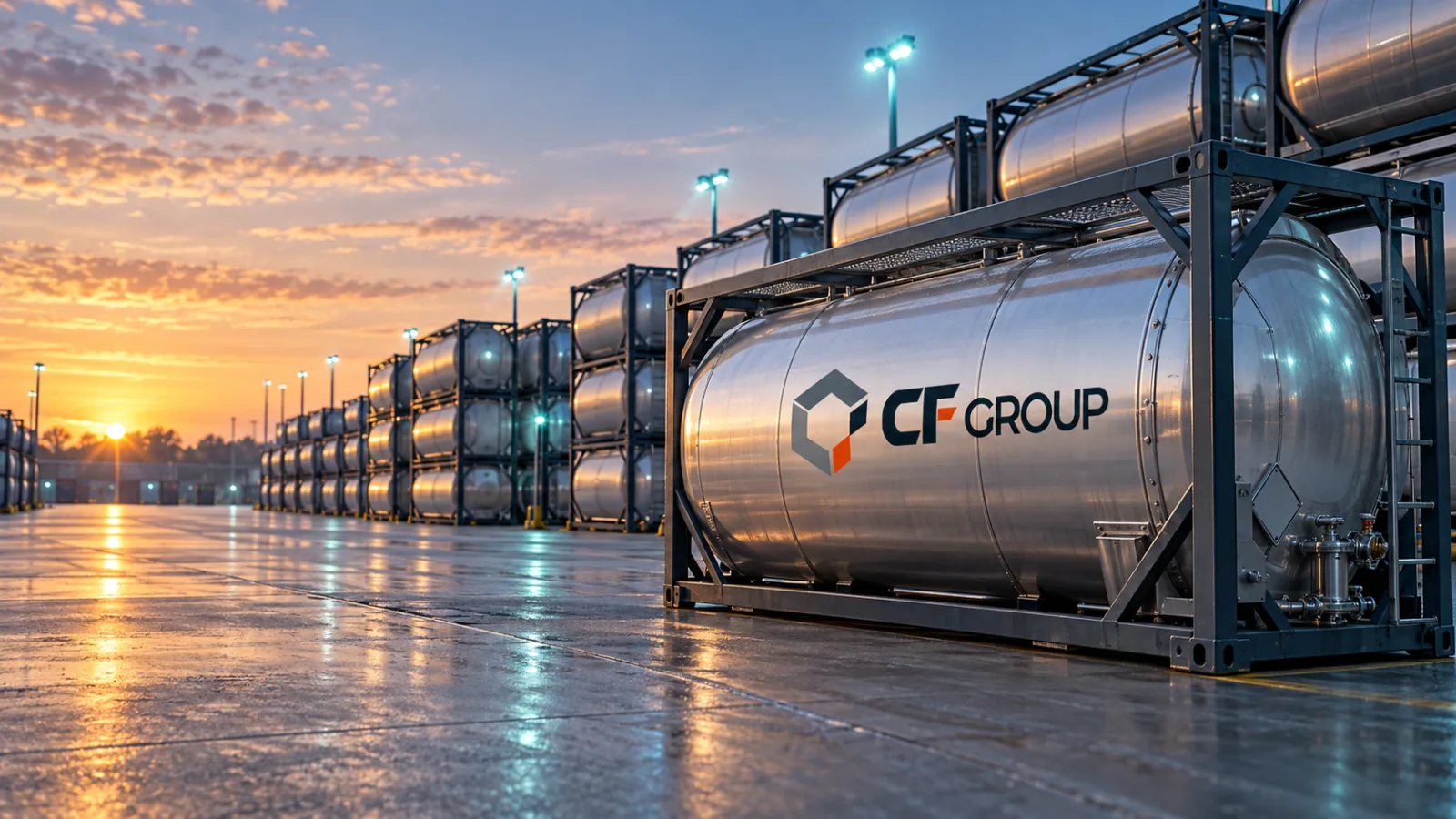
From a distance an ISO T75 is a cylinder in a container frame. From an operator's point of view it is a cryogenic pressure asset that passes through many states: filling, transport, waiting, discharge, return and maintenance.
The T code does not replace the technical file
The T75 designation identifies the class of equipment for cryogenic liquefied gases, but it is not enough to settle a plan. Whoever leases or operates the tank still has to check the product, working pressure, usable capacity, connections, inspection status and maintenance history.
Containerisation makes multimodal transport easier, but every change of state needs control. A frame of standard size does not mean every chassis, yard or lifting point suits the real load.
Six documents to check
- Certificate and inspection expiry of the equipment.
- Design data, working pressure and permitted products.
- Maintenance history of valves, gauges and safety devices.
- Cleaning or product-change records, if any.
- Gross weight and the transport configuration.
- Connection diagram at the loading and receiving points.
A tank only earns when it turns
A T75 sitting idle creates no supply capacity. Dispatch needs to know which tank is filling, moving, discharging, ready or due for maintenance. The digital file and equipment status matter as much as the hardware itself.
Do not choose a tank by its name. Choose by product, operating pattern, connections and valid documents.