Any energy route needs a second way through. For North–South LNG, the second way has already run for real.
Public precedent
According to Bao Xay Dung and Vietnam Railways, in September 2024 the first train carrying 16 LNG ISO tanks ran from South to North in a road–rail multimodal model: tanks filled at the terminal, trucked to the station, loaded on flat wagons, railed to the destination station, then a short road leg to the plant. The plan announced at the time was 60–120 tanks a month until the end of 2024.
What rail is good for
- Back-up for the sea route in bad weather or feeder disruption — train timetables are fixed and do not depend on sea conditions.
- Regular lots for customers with steady consumption, where a longer transit is no problem if the schedule is reliable.
- Destinations not near a port but near a freight station.
Why it has to be ISO tanks
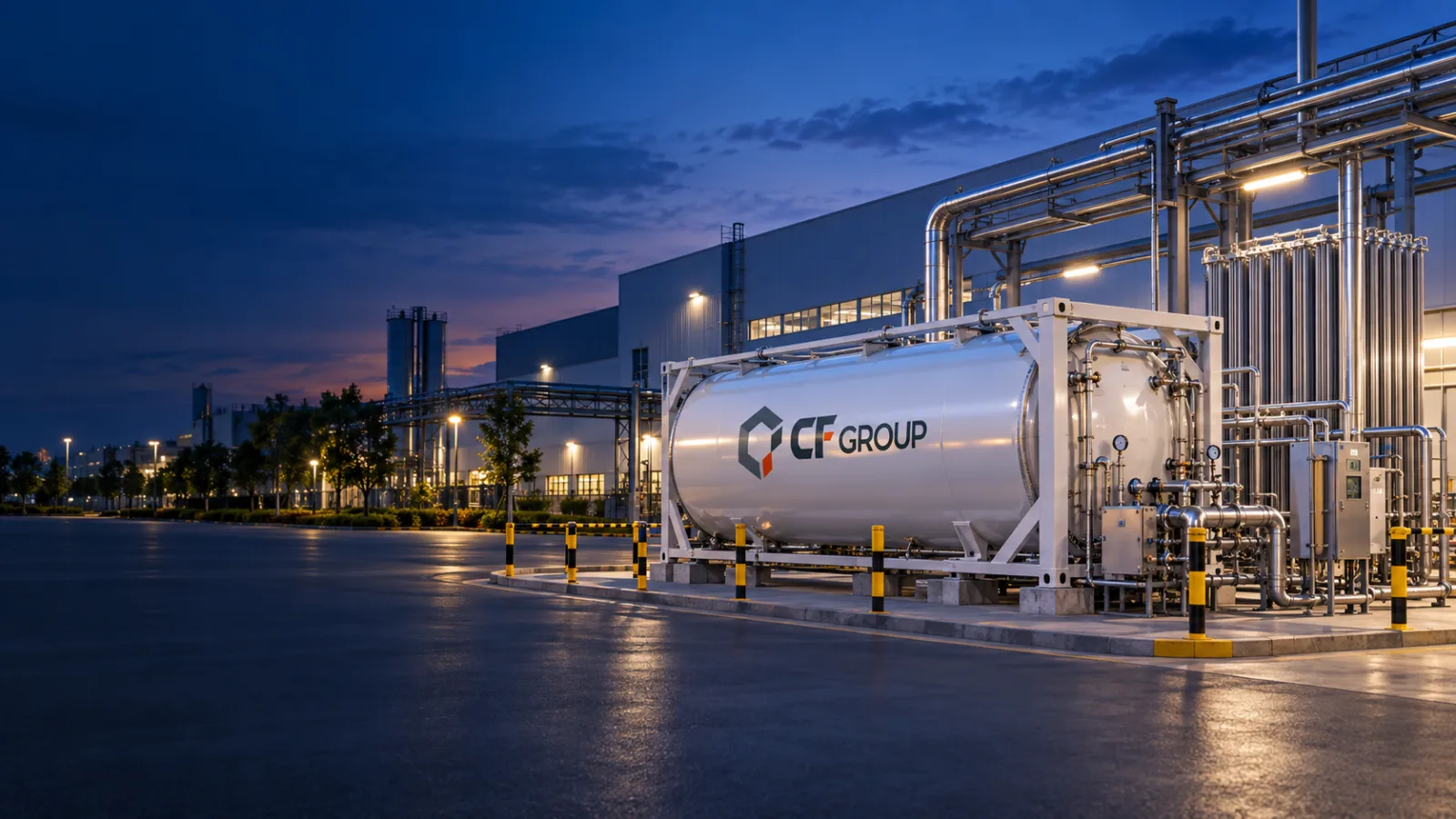
The same T75 travels by all three modes. When the sea route stops, cargo is not transloaded — only the traction changes. That is why CF Energy standardises its fleet around ISO tanks rather than dedicated tankers for each mode.
If the port closes for a week, which way does your cargo go? Is that option written into the contract?