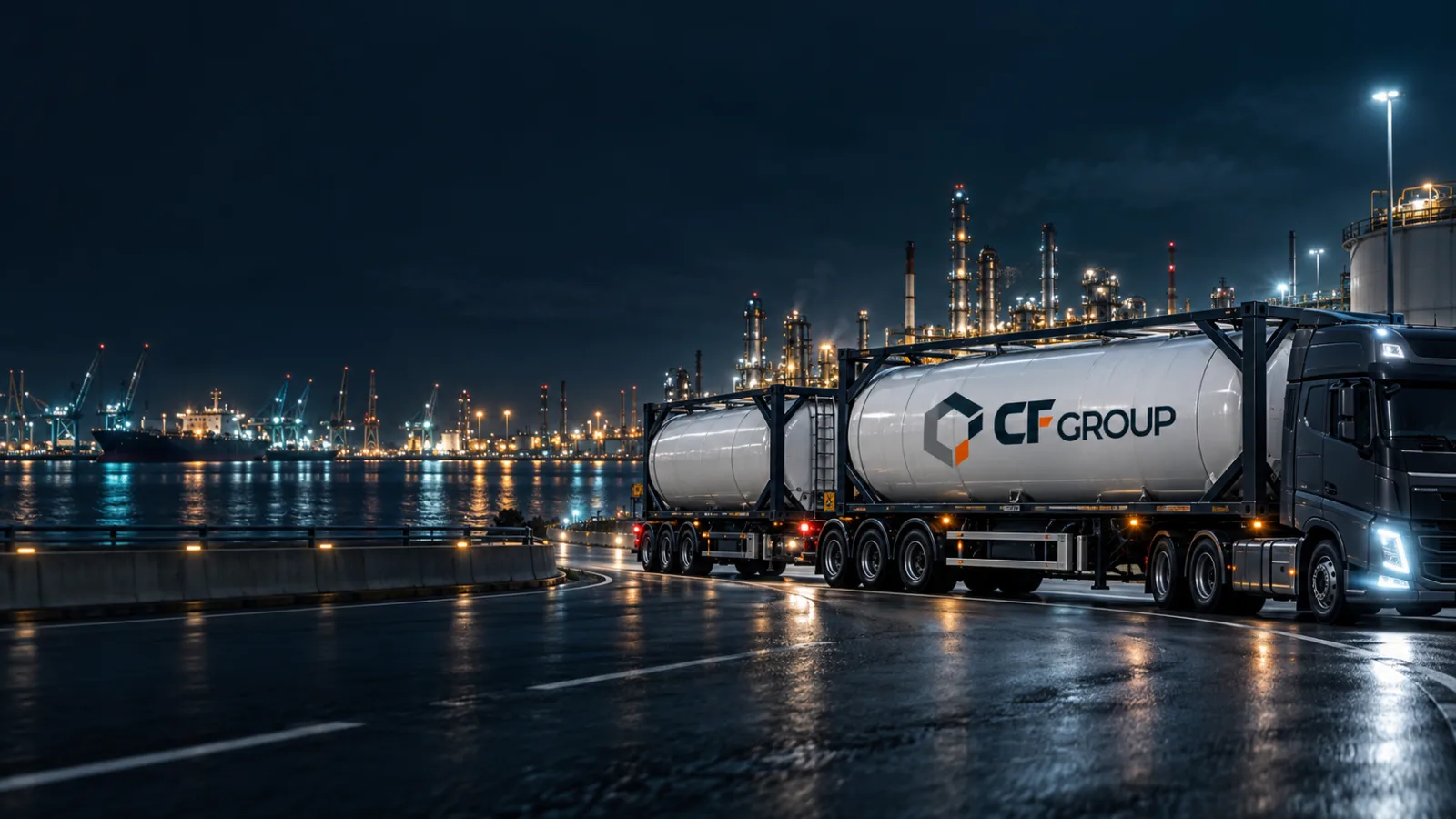
When the carrier also sells gas, other cargo owners will not hand it their consumption data, customer lists and delivery schedules. Not selling gas is what earns the cargo owner's trust.
Three reasons to stay a carrier only
- Serve every cargo owner. LNG importers, industrial-gas companies, plants that import for themselves — all can use the same tank fleet and depots without fear of being cross-sold.
- Revenue independent of gas prices. Fees per tonne, per tank-month and multi-year operating contracts are steadier than trading margins.
- Assets can be redeployed. ISO tanks, chassis and skids move from one customer to another, from LNG to industrial gases, when the market shifts.
The big tank operators do the same
Global ISO tank operators such as Stolt Tank Containers, Hoyer and Den Hartogh do not own the chemicals they carry; they sell operating capability, depots and data. Stolt reports a fleet of more than 50,000 tanks and 21 full-service depots — not a tonne of that cargo is theirs. CF Energy takes the same role in the Vietnamese gas market.
What the cargo owner gets
A partner with no incentive to hold your product longer than needed, no reason to put its own lot ahead of yours, and able to sign an operating-data confidentiality agreement without conflict of interest.
CF Energy charges service fees. The product, its selling price and the relationship with the end consumer belong to the cargo owner.